
Key takeaways
Single machines: listed Australian examples of commercial batch vegetable washers run from about A$6,000 (used, ex GST) to A$16,000 (new, inc GST). Imported drum and brush washers are listed from about US$3,000 to US$20,000 (A$4,300 to A$28,400) before freight and import costs.
Integrated lines: one overseas supplier lists an imported wash, dry and size-grade line for potatoes or carrots at US$35,000 to US$39,800 (A$49,700 to A$56,500) ex works. That is a supplier example, not an Australian market minimum. Packhouse lines from established brands are quoted per project.
Budget beyond the machine: water filtration and recirculation, sanitiser dosing and monitoring, drying, conveyors, drainage and installation are often priced separately and can add substantially to the installed cost.
Used equipment: used European washing and cutting machines are advertised from about €9,000 to €40,000 (A$14,600 to A$64,800), but check spare parts and local service before you buy.
Tax: a single washer under $20,000 can be written off immediately by small businesses with turnover under $10 million that use the simplified depreciation rules. A complete line usually exceeds the limit and is depreciated through the small business pool.
Fruit and vegetable washing equipment in Australia costs from about A$6,000 for a batch washer to well over A$50,000 for an integrated wash, dry and grade line. The right budget depends on throughput, how dirty your produce arrives, and how much water treatment and drying the line needs. This guide covers washing, brushing, polishing, drying and waxing equipment; sorting machines and peelers have their own price ranges on IndustrySearch.
Washing equipment prices by type
Equipment | Typical use | Indicative price | Reference point |
|---|---|---|---|
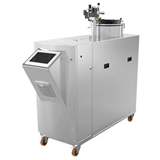
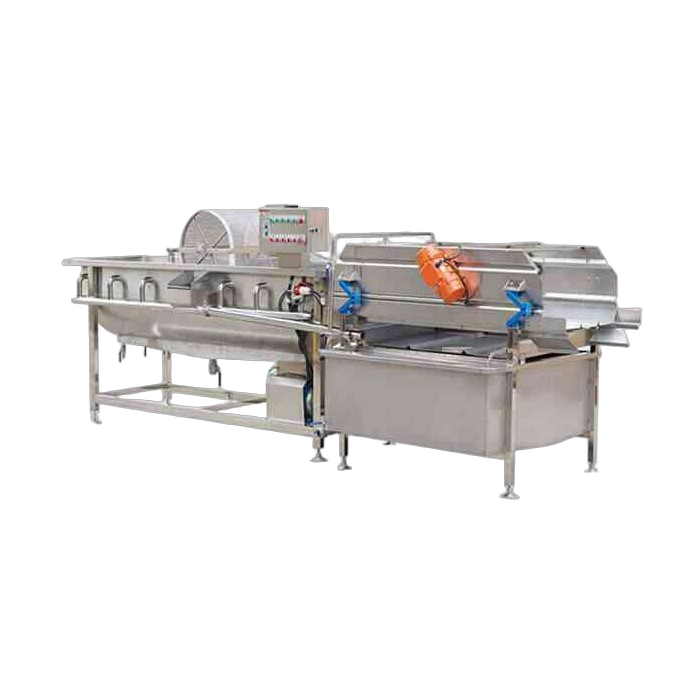
Batch or small continuous vegetable washer | Commercial kitchens, caterers, small processors | A$6,000 to A$16,000 | Lamber A-81S at A$15,494.60 inc GST; a used stainless rotating sifter washer listed at A$6,000 ex GST |
Drum or barrel washer | Potatoes, carrots, beetroot and other heavily soiled roots | US$3,000 to US$20,000 (A$4,300 to A$28,400) imported; €5,500 (about A$8,900) for a European drum washer | Alibaba and European supplier list prices, ex works |
Brush washer or flatbed brusher | Firm-skinned produce: potatoes, cucumbers, tomatoes, apples | About A$6,400 used to A$8,500 new imported | Used 24-inch flatbed brush washer at US$4,500; Chinese rotary drum brush washer at US$6,000 |
Small modular wash line | Infeed belt, washer and drying for small growers | US$7,190 to US$12,194 (A$10,200 to A$17,300) | US farm-scale four-piece wash lines, 16 to 40 inches wide |
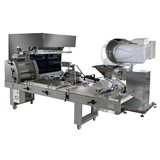
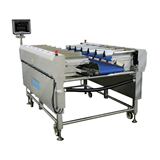
Integrated wash, dry and size-grade line | Packhouses running potatoes, sweet potatoes or carrots | From US$35,000 to US$39,800 (A$49,700 to A$56,500) imported | Chinese turnkey line: bubble wash, brush wash, dewatering and size grading |
Packhouse line from established brands | High-volume packers and processors | Quoted per project | Brands listed on IndustrySearch include Wyma, TOMRA, TNA (Florigo) and Eillert |
At the top of the used market, complete potato washing and processing lines advertised internationally run past US$600,000 (about A$850,000). The IndustrySearch listing range of $5,000 to $30,000 reflects single machines rather than lines.
What changes the price
Throughput: price scales with tonnes per hour and drum or bed width.
Dirt load: clay soils need longer residence time, destoning or a pre-cleaner; a combination drum washer and destoner such as the Florigo ultra-clean COMBO 3 does all three in one machine.
Produce type: delicate or bruise-prone produce needs gentler flume or water-screw transport, which costs more than a tumbling drum.
Water system: recirculation tanks, rotary filters and polishing filters cut water and waste disposal costs but add to the purchase.
Sanitiser control: automatic dosing and inline monitoring add cost but are what leafy vegetable and melon processors need to demonstrate control (see [Article 2: Washing Fruit and Vegetables Under the FSANZ Horticulture Standards]).
Drying and coating: absorbent drying rollers, air knives and wax applicators each add a module.
Build and support: stainless steel throughout, tool-free access for cleaning, and a supplier with Australian parts and technicians.
What quotes often leave out
infeed hoppers, elevators and outfeed conveyors to connect the washer to your line
water supply, drainage and any trade waste approval your water utility requires
three-phase power and controls integration
filtration and water treatment beyond the washer itself
sanitiser chemicals, test kits or sensors, and calibration
freight, import duty and 10% import GST on imported machines (a customs broker can confirm the tariff line)
installation, commissioning and operator training
Ask each supplier to price these as separate lines, so a lower machine price does not hide a higher installed cost.
New or used?
Used washing and cutting machines from European makers are advertised from about €9,000 for compact models to €40,000 for higher-spec units (A$14,600 to A$64,800). Australian used listings are thin: one major marketplace showed only four vegetable washers for sale. A used machine suits a buyer who can inspect it running, replace brushes and bearings, and source parts in Australia. For leafy vegetables and melons, factor in whether the machine can be cleaned and sanitised effectively, because that is a legal requirement for primary processors of those crops.
Tax and finance
The $20,000 instant asset write-off is permanent from 1 July 2026 for businesses with aggregated turnover under $10 million that choose to use the simplified depreciation rules. It applies per asset, so a batch washer at A$15,000 qualifies in the year it is first used. Assets of $20,000 or more go into the small business pool at 15% in the first year and 30% after. Where machines are bought and used as separate assets, each is assessed on its own, so ask your accountant how a multi-machine purchase should be itemised.
IndustrySearch product pages show an indicative weekly finance repayment for many listings, which is a quick way to compare a purchase against hiring more labour.
How to get quotes you can compare
Produce types, size range and the worst soil condition you receive
Throughput in tonnes per hour at peak season
Water source, available drainage and whether you plan to recirculate
Whether you wash leafy vegetables, melons or berries (this changes the sanitation requirements)
Upstream and downstream equipment the washer must connect to
A request to price machine, conveyors, water treatment, installation and training separately
Compare quotes: Get quotes from fruit and vegetable processing machine suppliers on IndustrySearch, or see the Vegetable & Fruit Washing Machine category for single washers.
Frequently asked questions
How much does a commercial vegetable washer cost in Australia?
Listed Australian examples run from about A$6,000 for a used unit to A$16,000 for a new one, for batch or small continuous washers suited to kitchens and small processors. Industrial drum and brush washers for packhouses cost more and are often quoted with the line.
How much does a potato or carrot washing line cost?
One overseas supplier lists imported wash, dry and size-grade lines from about A$50,000 ex works; treat that as a supplier example, not an Australian market minimum. Lines from established packhouse brands are quoted per project.
Are imported washers from China worth it?
List prices are lower, but add freight, import duty and GST, electrical compliance and the cost of support from overseas. Check stainless grade, cleanability and parts availability before comparing on price.
Can I instantly write off a vegetable washing machine?
Yes, if it costs under $20,000, your turnover is under $10 million, you use the simplified depreciation rules, and it is first used or installed ready for use in the income year.
What is the biggest hidden cost in a washing line?
Usually water: supply, filtration, recirculation, sanitiser control and drainage. Ask for it to be quoted with the washer.